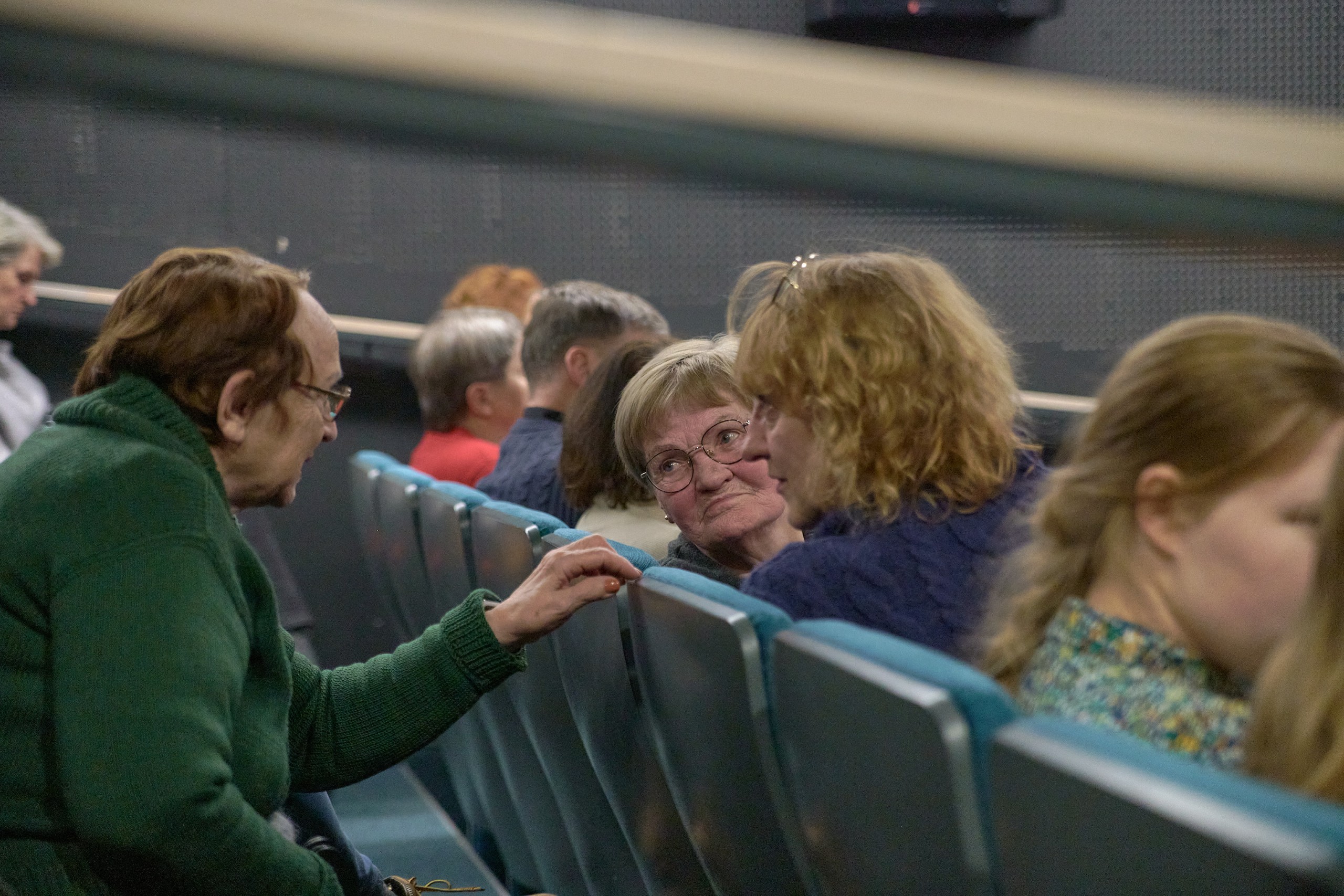
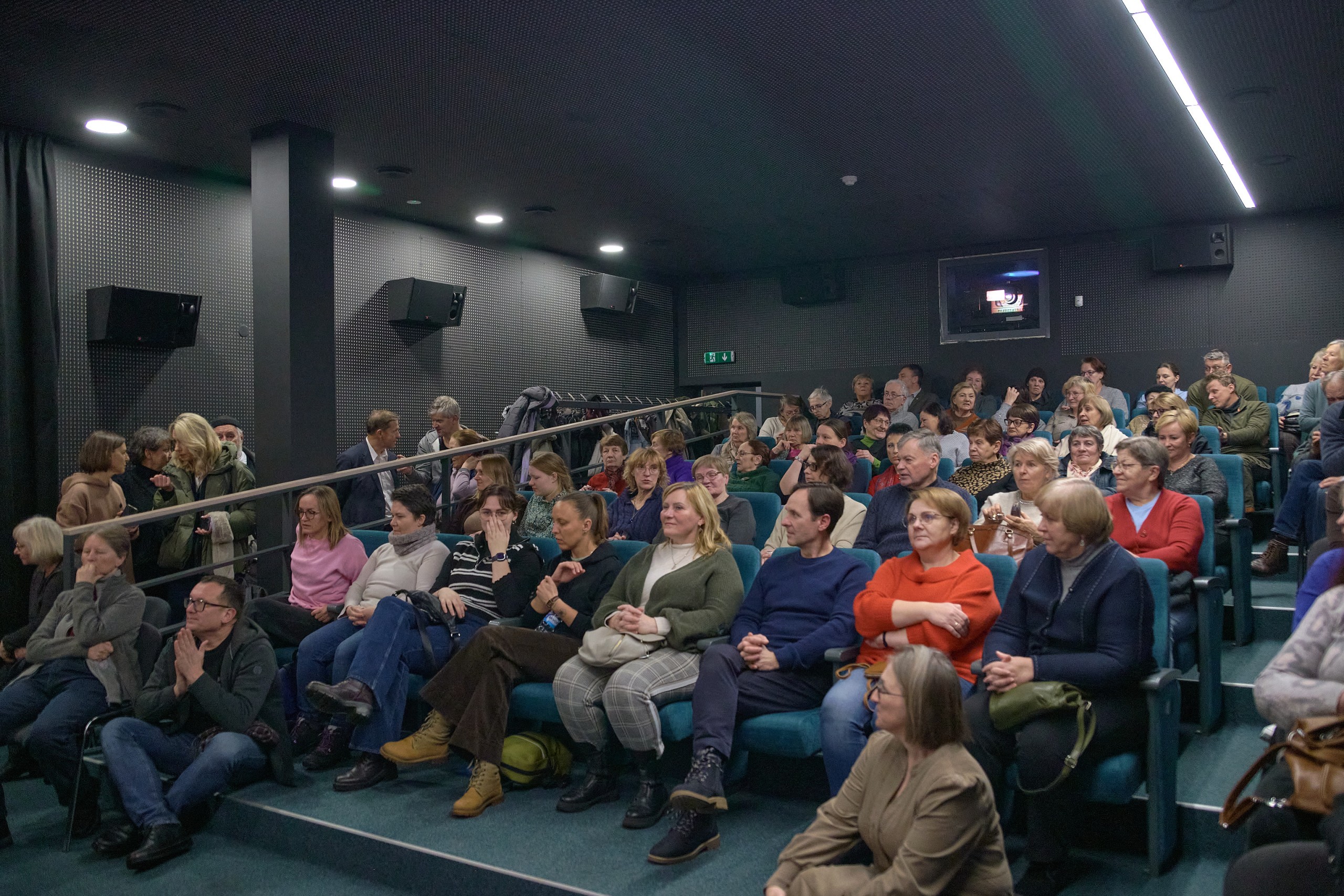
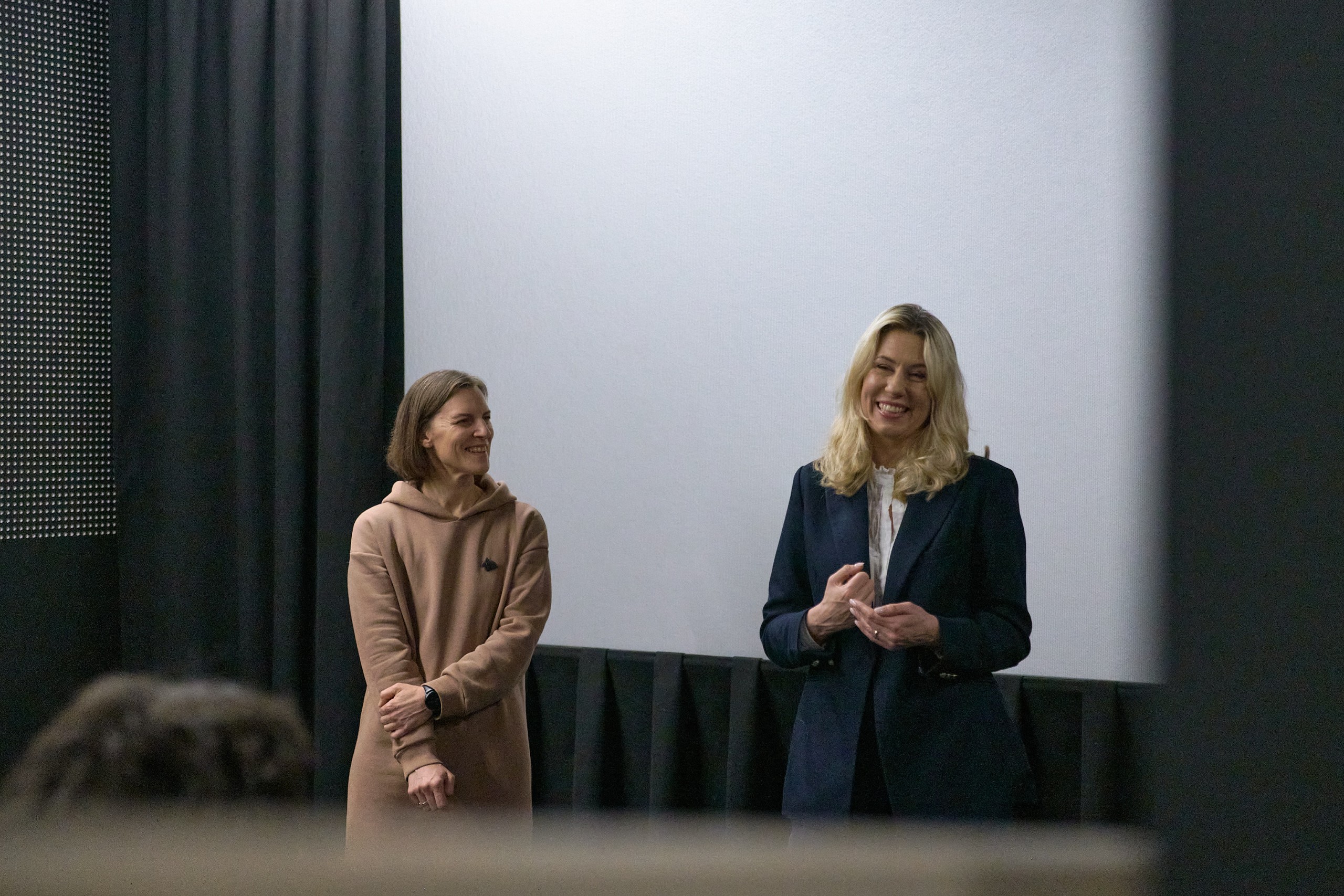
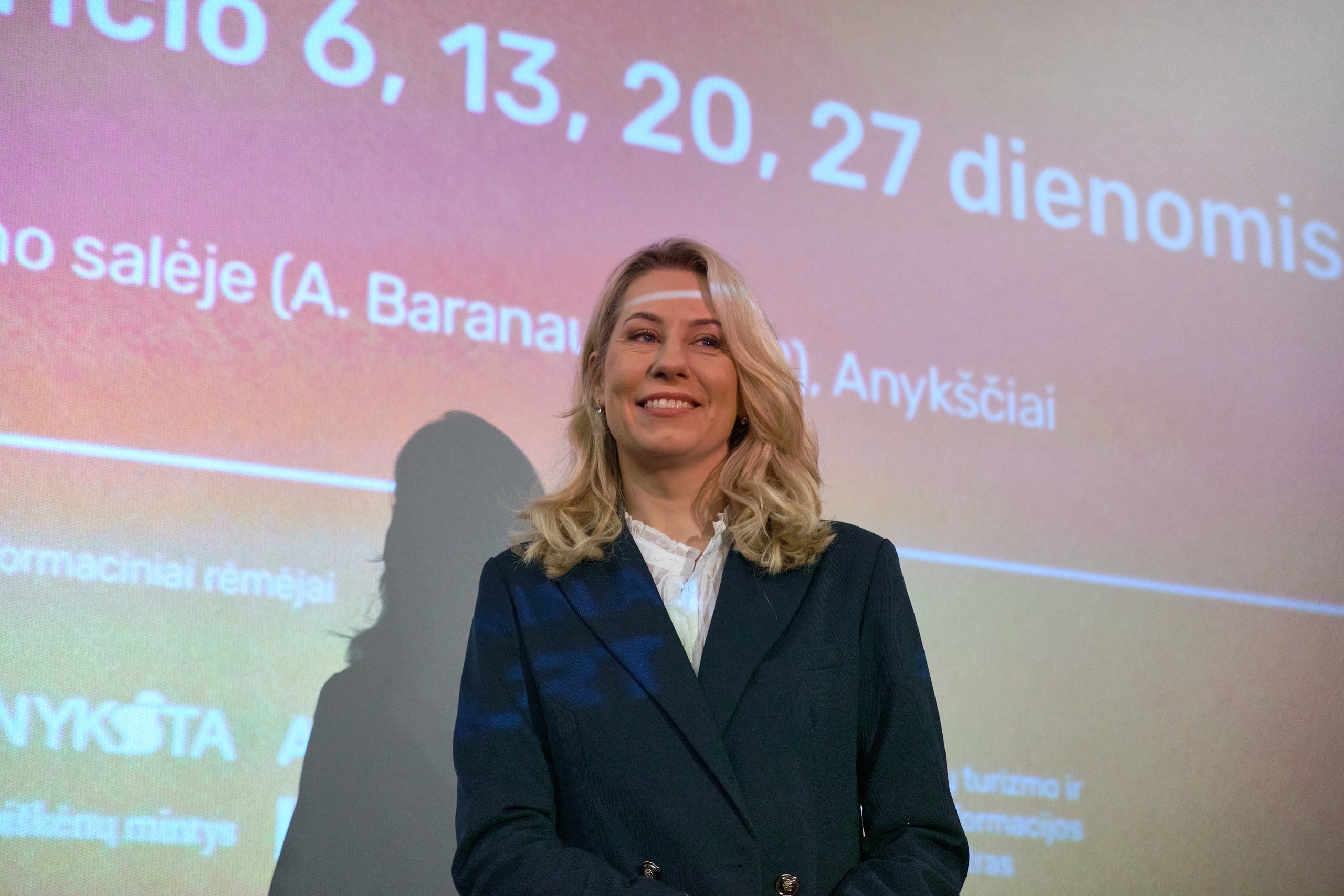
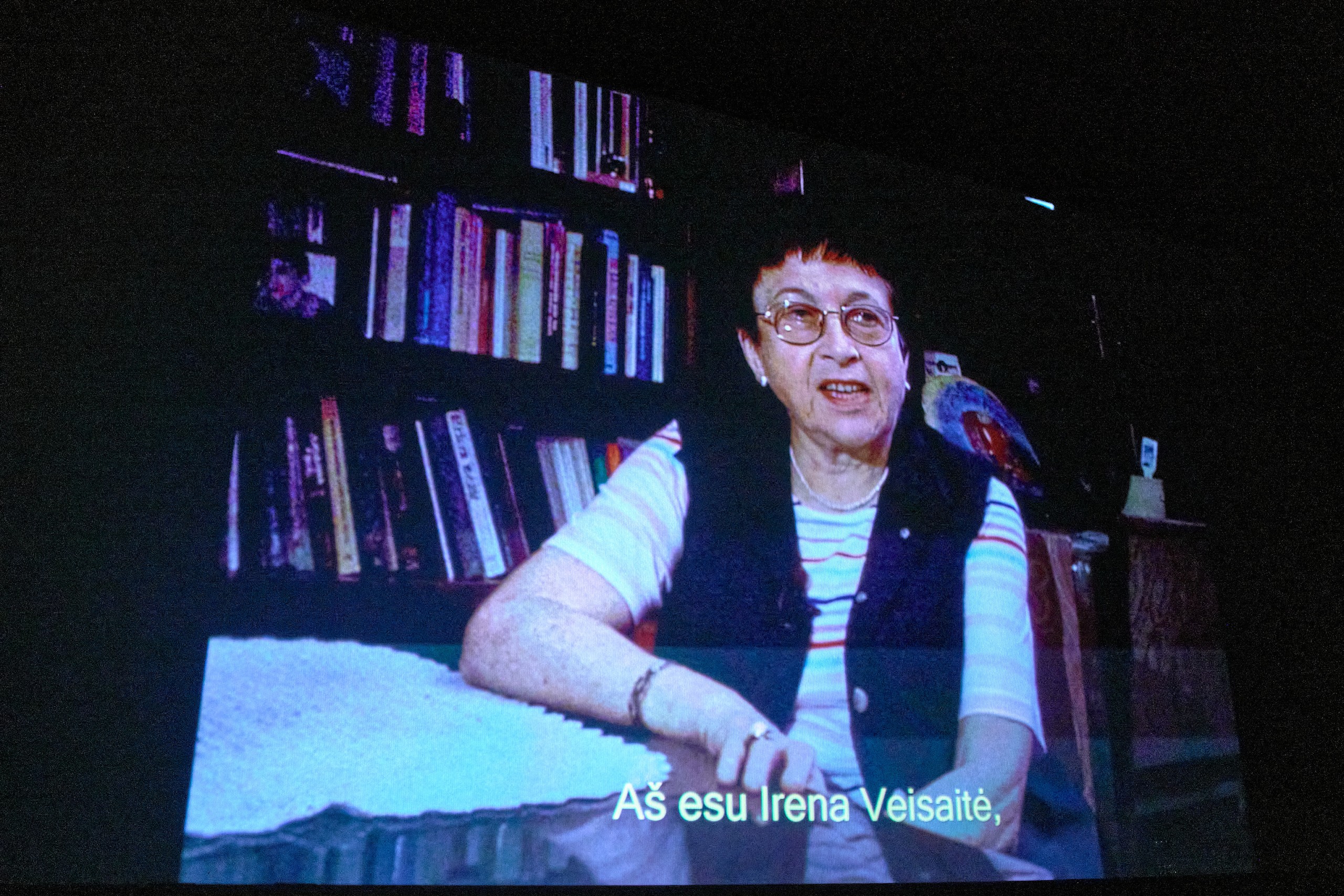
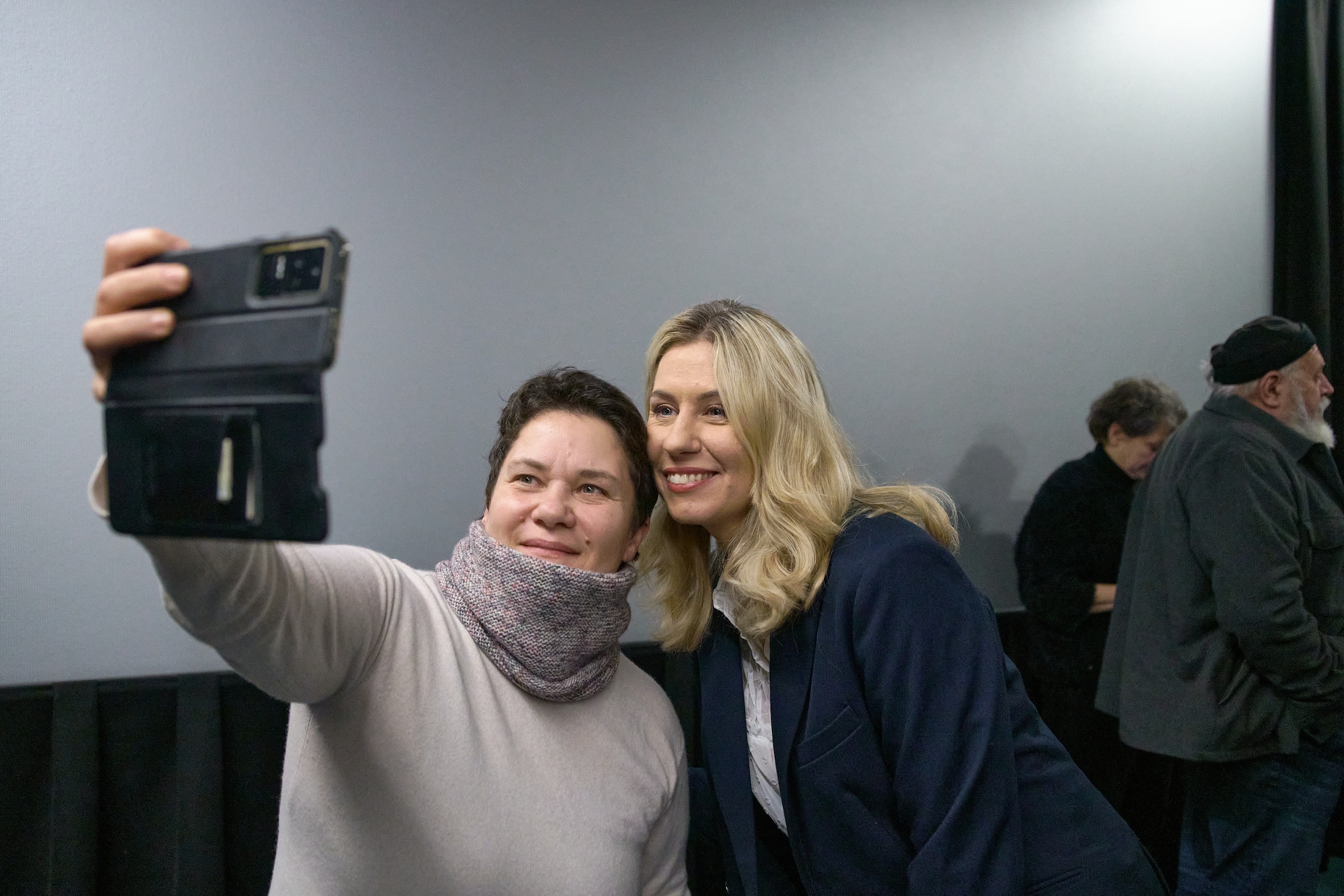
On November 27 we met in the hall of the Anykščiai Cultural Center, where the 16th edition of the documentary film festival ADOX was closed by Giedrė Žickytė’s film Irena. Irena Veisaitė — a theatre scholar and Germanist who survived the Holocaust and lost many relatives — did not succumb to hatred.
Director G. Žickytė’s film reveals Irena’s story through the cruelties of two totalitarian regimes, showing her inner strength and steadfast commitment to humanistic values despite the injustices and trials she endured. It is not only a historical testimony but also a reminder to those living in these troubled times of how one’s stance can change the world. At the same time, it is an invitation to reconsider the importance of humanity and dialogue.
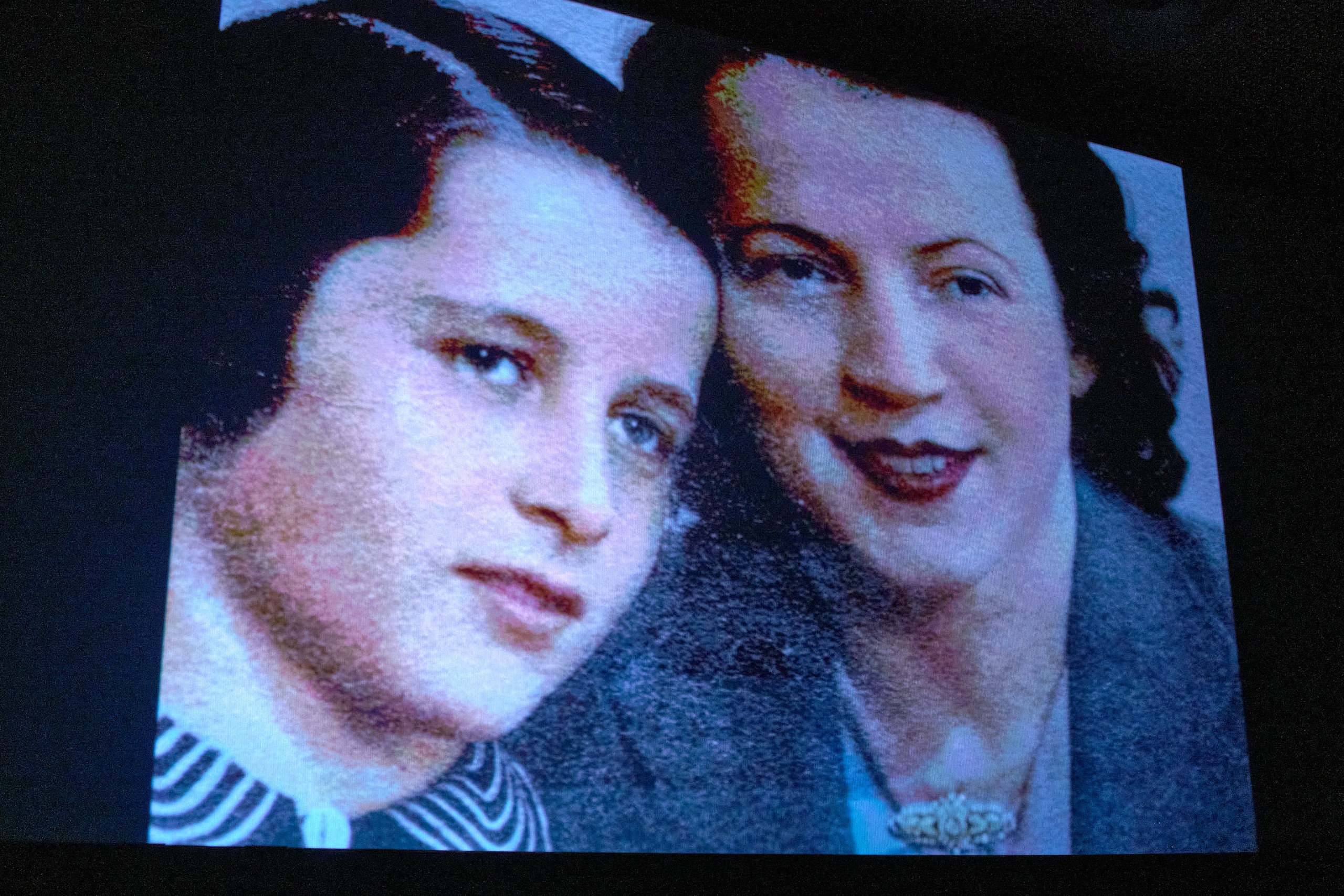
The documentary tells the life story of one person across four radically different epochs — the interwar period; the first Soviet and Nazi occupations; the Soviet era; and the restoration and consolidation of Lithuania’s independence. The loss of her mother, life in the Kaunas ghetto, fleeing to Vilnius, and finding shelter with a new family — these were only some of the severe trials Veisaitė faced before she turned fifteen.
Despite these hardships, Veisaitė fashioned her life by continually seeking moral clarity and integrity, and through her wide-ranging activities she contributed to the transformation of Lithuanian public life.
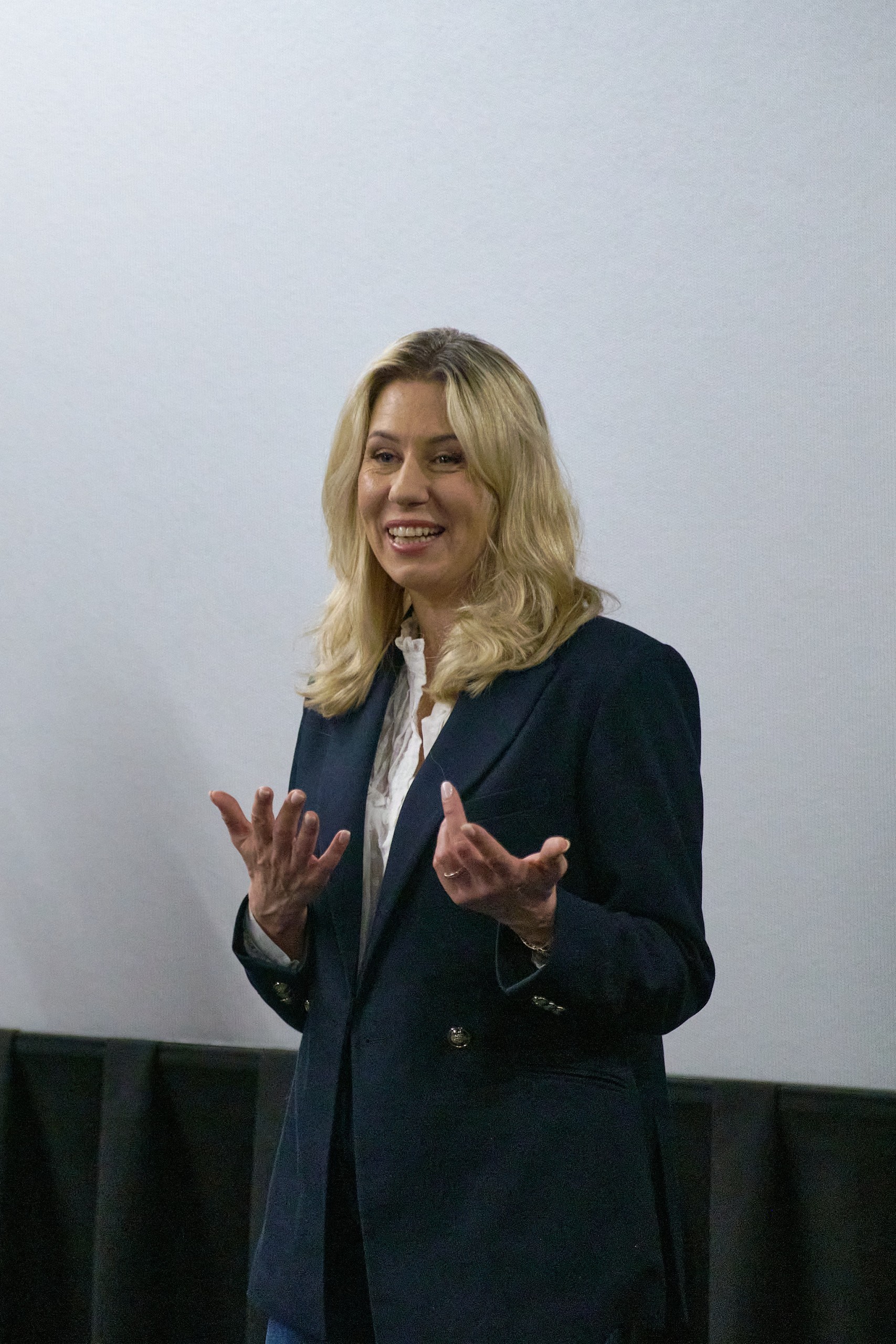
“Humanity, respect, and love for others. In a divided world pulsing with hatred, Irena’s wisdom is needed now more than ever,” emphasizes G. Žickytė.